We offer a wide collection of free, high-quality printable coloring pages for kids and adults. From cute animals to intricate mandalas, our designs bring creativity and relaxation to everyone. Download, print, and start coloring today!

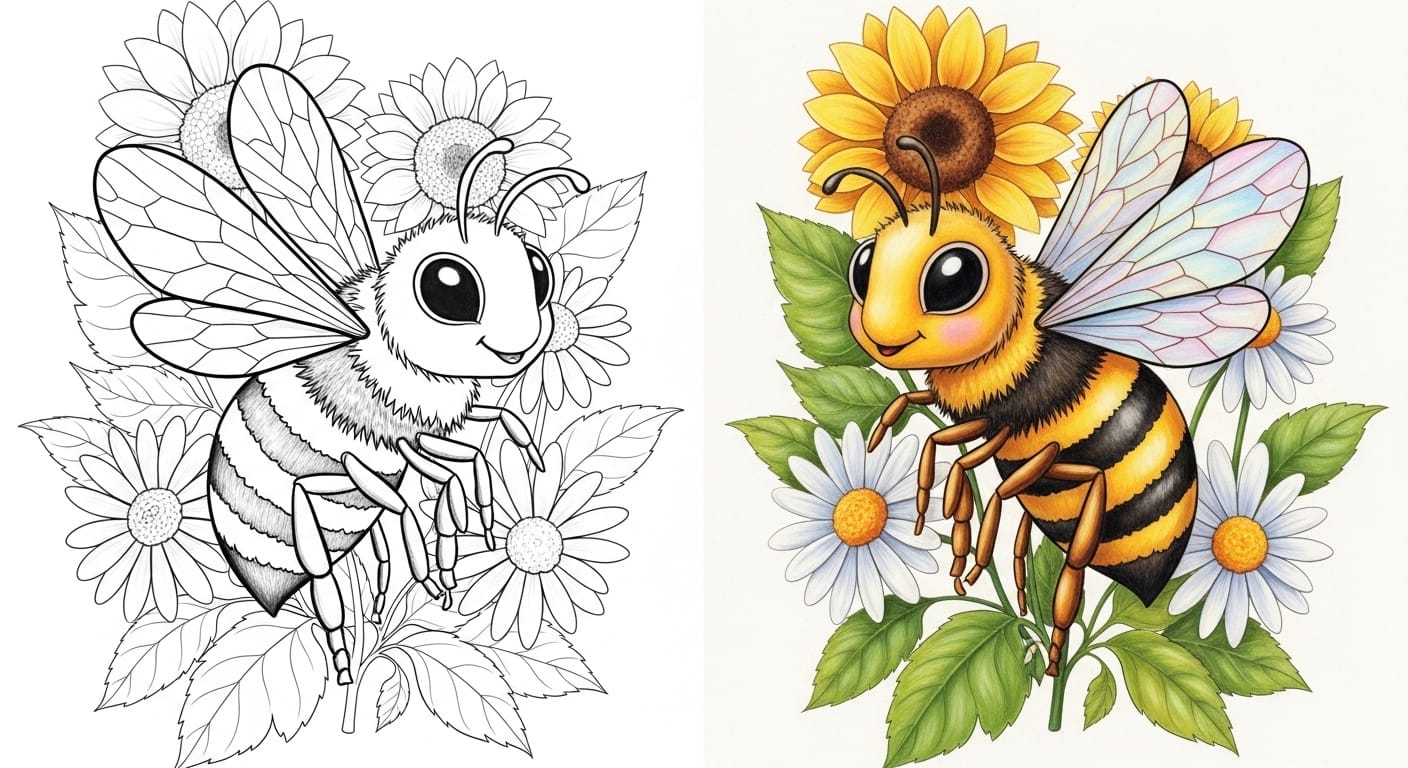
Hey there! I’m Emmy, and I’m absolutely thrilled to share something I’m passionate about: bee coloring pages. If you’re looking for a creative, educational, and fun activity for your kids, students, or even yourself, you’ve come to the right place!
Over the years, I’ve discovered that coloring isn’t just a way to pass the time—it’s a gateway to learning, creativity, and connection. And what better subject than our incredible fuzzy friends, the bees? Whether your little ones are curious about nature or you’re a teacher looking for engaging classroom materials, free bee coloring pages offer the perfect combination of entertainment and education.
In this guide, I’m going to walk you through everything you need to know about bee coloring pages. You’ll learn fascinating facts about bees that’ll make coloring these creatures even more meaningful. I’ll also answer common questions about printable options, paper choices, colors, and where to find the best resources.
The best part? These activities cost next to nothing and require minimal prep on your end. Parents, you’ll love how this keeps kids engaged while they’re actually learning something valuable about the environment. Teachers, imagine having your students color a bee page while discussing pollination—it’s a win-win! And if you’re an adult looking for a mindful, relaxing activity, coloring bees is surprisingly therapeutic.
So grab your markers, colored pencils, or crayons, and let’s dive into the wonderful world of bee coloring pages together!


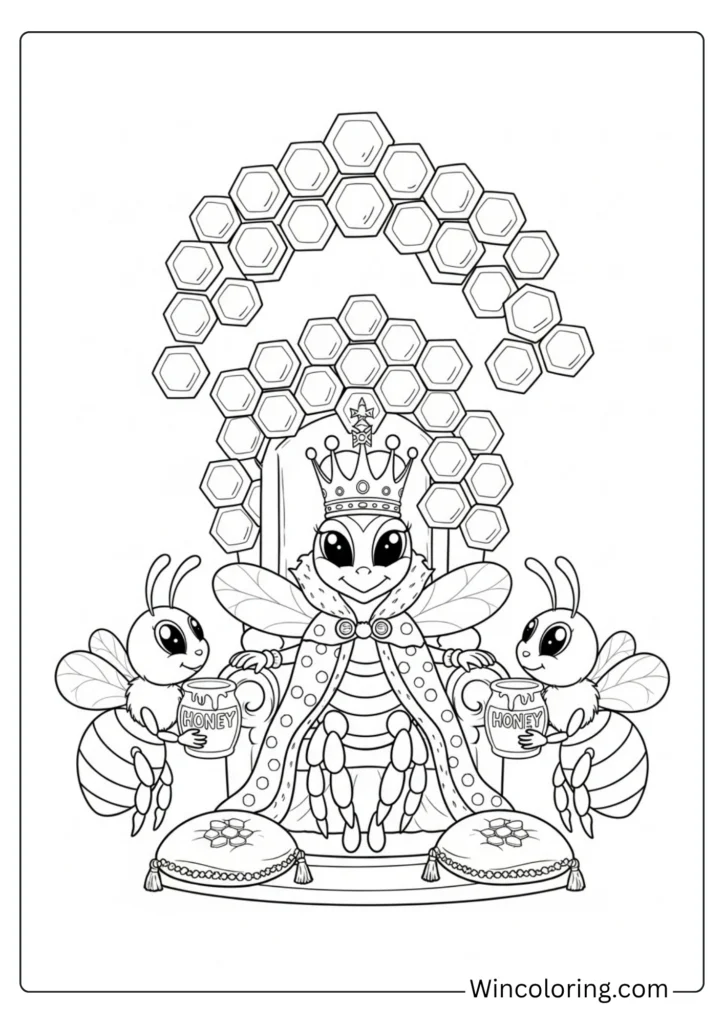

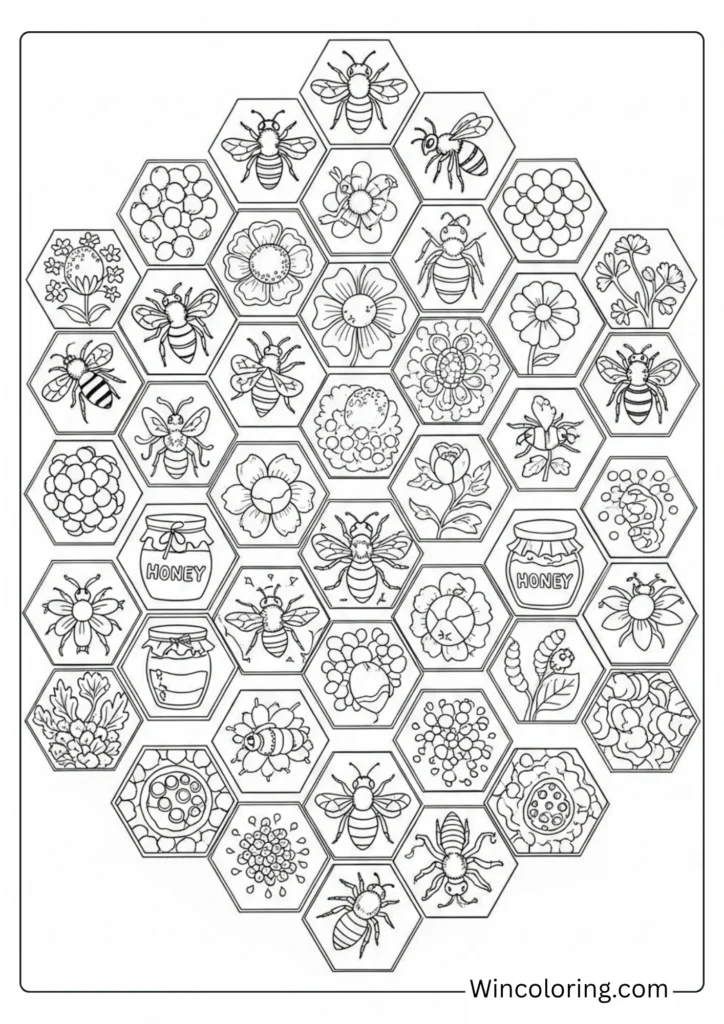

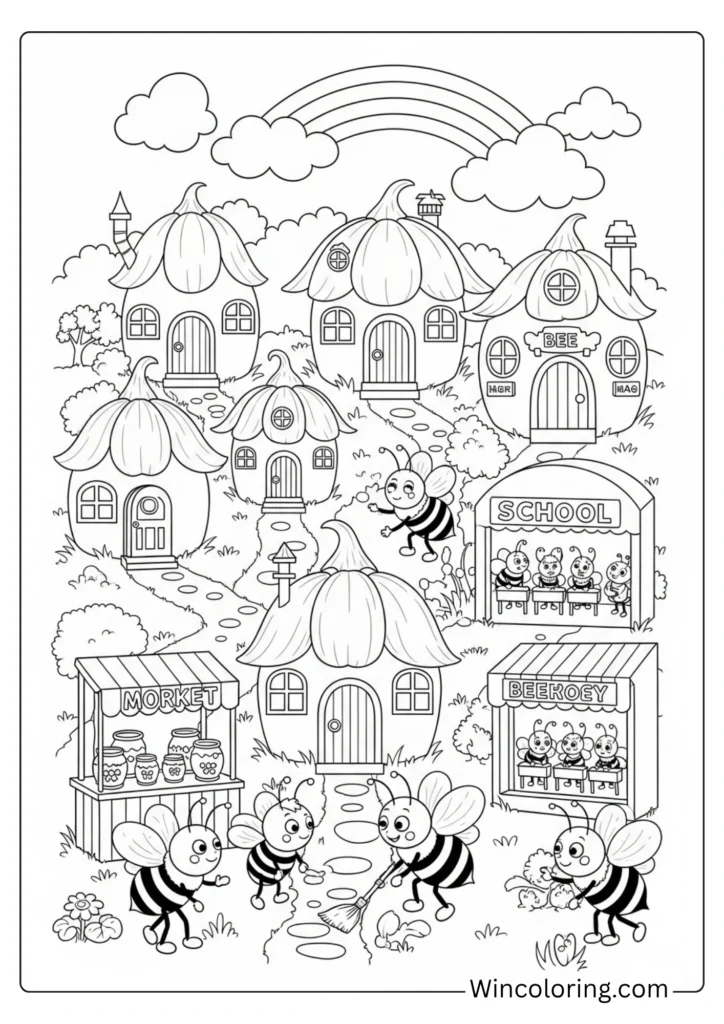
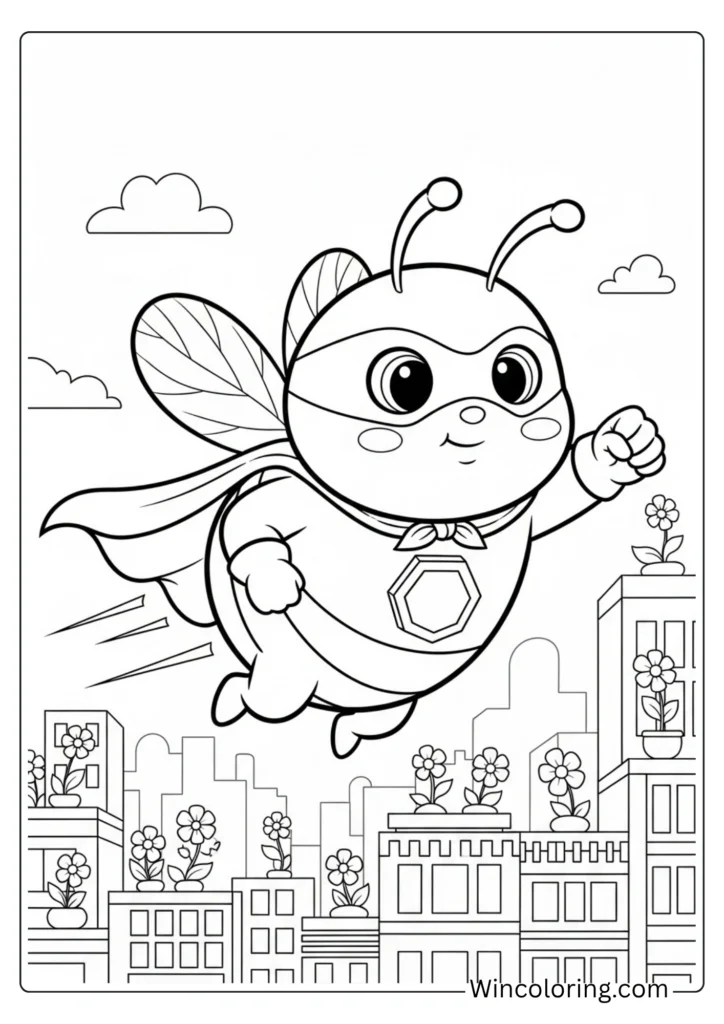

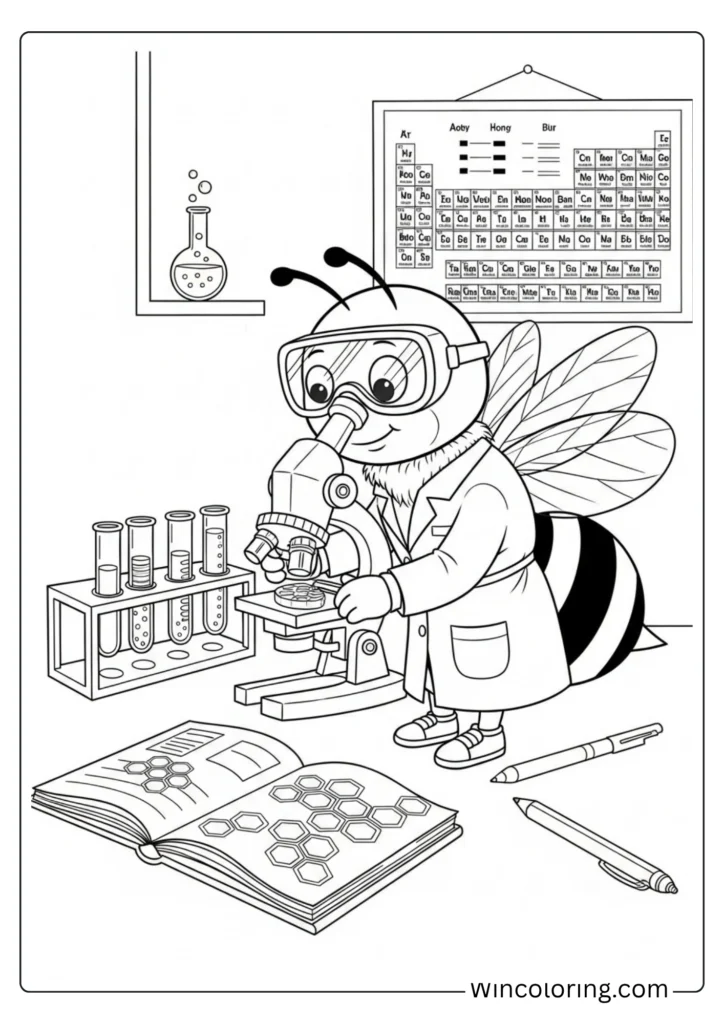


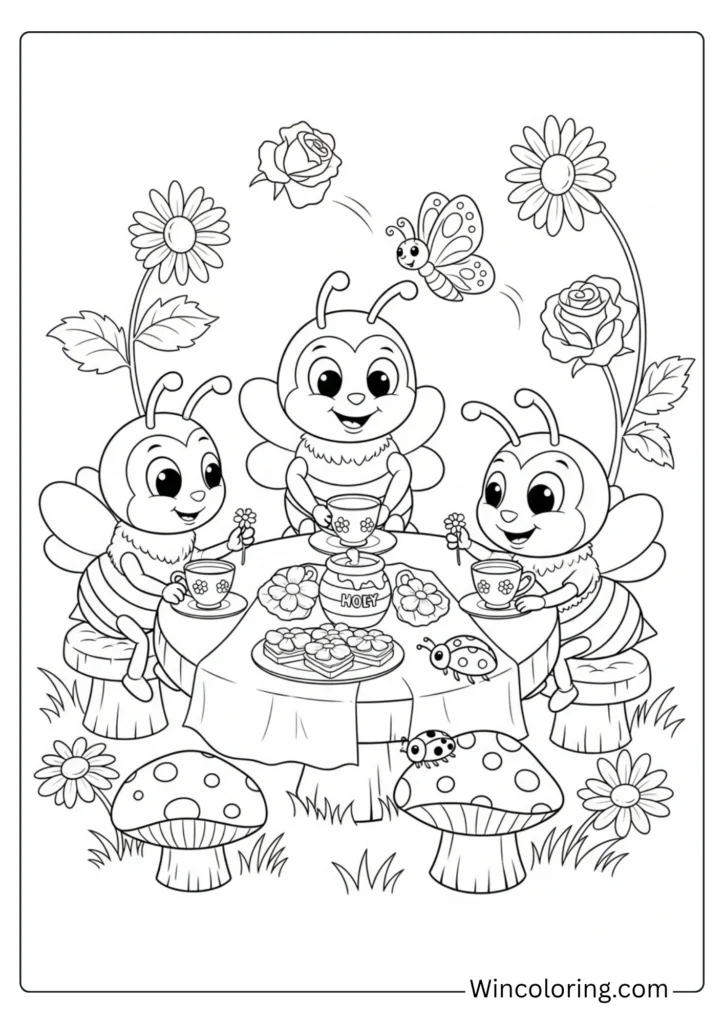
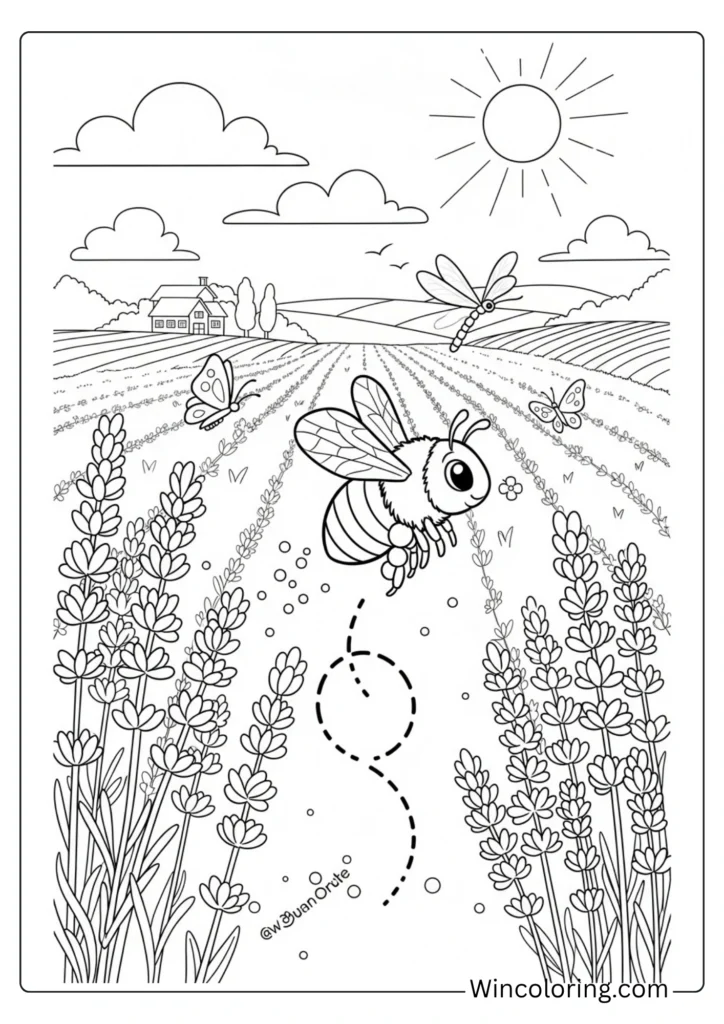


Table of Contents
Learn About Bees!
Why Are Bees Important?
Bees are so much more than cute insects to draw and color. These tiny creatures are essential to our survival. Every single day, bees pollinate approximately 75% of the world’s food crops. Without them, we wouldn’t have apples, almonds, cucumbers, or countless other foods we love.
Here’s something that really puts it in perspective: for every three bites of food you eat, one is made possible by pollinators like bees. Pretty amazing, right? When kids color bee coloring pages while learning these facts, they start developing respect and appreciation for nature at an early age.
Bees also produce honey, of course! But beyond that sweet treat, they’re indicators of environmental health. When bee populations are thriving, our ecosystems are thriving. Teaching children about bee importance through engaging activities like printable bee coloring pages plants seeds of environmental consciousness that can grow throughout their lives.
Bee Facts for Kids
Kids love surprising facts, and bees have plenty of them! Here are some amazing tidbits you can share while they work on their bee coloring activities:
- Bees dance to communicate. Seriously! Honeybees perform special dances to tell other bees where flowers are located.
- They have five eyes. Two large eyes plus three smaller ones on top of their head help them see in different directions.
- Bees are speedy. Worker bees can fly up to 15 miles per hour, which is incredibly fast for such tiny creatures.
- A bee’s wing beats 200 times per second. That’s what creates that famous buzzing sound!
- Queen bees live for 5 years. Worker bees live only 5-6 weeks, making the queen the true matriarch of the hive.
- Bees see colors differently than humans. They can’t see red, but they can see ultraviolet light, which helps them find flowers.
These facts make coloring bee pages even more interactive. You can read a fact, then have kids color the corresponding part of their bee—like the eyes when discussing how they work!
Bee Life Cycle Explained
Understanding the bee life cycle adds another educational layer to bee coloring pages. It’s a fascinating transformation that kids find captivating!
A bee’s life begins when a queen bee lays an egg in a honeycomb cell. After three days, the egg hatches into a tiny larva—sometimes called a “wiggly worm.” The larva is fed constantly by worker bees and grows rapidly over about five days.
Next comes the pupation stage. Worker bees cap the cell with wax, and inside, the larva transforms into an adult bee. This metamorphosis takes about 12 days. When the new bee is ready, it chews through the wax cap and emerges as a fully formed adult.
Once emerged, young bees start with inside-the-hive jobs—cleaning cells and caring for other larvae. After a few weeks, they graduate to outside duties like foraging for nectar and pollen. The entire process from egg to adult bee takes roughly 21 days.
Creating a multi-page coloring project where kids color each stage of the bee life cycle makes learning this process interactive and memorable. It’s one of my favorite ways to teach this concept!
Frequently Asked Questions About Bees & Coloring
What are the benefits of coloring for children?
This is a question I hear constantly from parents, and the research is really encouraging! Coloring offers multiple developmental benefits:
Fine motor skills: Holding crayons and coloring within lines strengthens hand muscles and improves coordination, which are crucial for writing development.
Stress relief: Coloring is meditative. It calms the nervous system and helps children (and adults!) process emotions in a healthy way.
Color recognition: Kids learn colors, shading, and how colors work together while creating something beautiful.
Focus and patience: Completing a detailed coloring page requires concentration and teaches children to stick with activities.
Creativity: Even when coloring an existing design, kids make choices about colors and patterns, fostering creative thinking.
Screen-free time: Let’s be honest—we all need more of this! Coloring is a healthy alternative to digital devices.
When you combine these benefits with bee coloring pages, you add an educational component that makes the activity even more valuable.
Are these bee coloring pages really free?
Absolutely! I’m passionate about making learning accessible to everyone, regardless of budget. The free bee coloring pages I’m talking about can be downloaded instantly without any hidden costs or sign-ups.
Look for them through educational websites, teacher resource sites, and creative platforms that offer free printables. Some pages may ask for your email for a mailing list—that’s optional, but it often gives you access to even more resources. The important thing is: legitimate free coloring pages never require payment or credit card information.
Once you download them, you own the digital file and can print as many times as you’d like for personal use!
What kind of paper should I use for printing these coloring pages?
The paper you choose can really affect the coloring experience! Here are my recommendations:
Standard copy paper (20 lb): Perfect for coloring with colored pencils. It’s affordable and readily available.
Cardstock (65-110 lb): More durable than copy paper and works beautifully with markers and thicker crayons. Great if kids tend to press hard while coloring.
Mixed media paper: If you want to use watercolors or markers, this is your best bet. It’s heavier and designed to handle wet media.
Glossy photo paper: Creates a smooth surface that markers glide across beautifully, though crayons can sometimes skip.
Colored cardstock: Start with a colored background for a more sophisticated final product.
My personal recommendation? Use cardstock for younger kids who press hard, and copy paper for older kids using colored pencils. It’s the perfect balance of durability and affordability!
Can I share these coloring pages with my friends?
Great question! Most printable bee coloring pages come with a “personal use only” license. This means you can download them, print them for your own family or classroom, and share printed copies with people you know.
However, you shouldn’t republish the digital files on your own website, include them in paid products, or share the download link widely without permission from the creator.
That said, if you find pages I’ve recommended from reputable sources, feel free to invite your friends to download them directly from those sources. It’s win-win—more people get access to great resources!
Where can I find more bee coloring pages?
There are so many amazing resources out there! Here are places to explore:
- Educational resource websites: Many teaching-focused platforms like Education.com offer free printables including bee-themed coloring pages and activities.
- Pinterest: Search for “free bee coloring pages” and you’ll find boards full of options
- Teacher blogs: Educators often share their favorite resources for free
- Library websites: Many public libraries offer digital coloring pages and printables
- Creative platforms: Sites dedicated to art and creativity frequently feature free coloring designs
When searching, look for pages that offer high-resolution images so they print beautifully and include copyright information showing they’re freely available.
What are the best colors to use when coloring bees?
This is where it gets fun! While bees come in many varieties, here are color palettes I recommend:
Classic Honeybee Look:
- Golden yellow and black stripes (the traditional combo!)
- Add brown or orange for depth
- White or cream for highlights
Realistic Bee Colors:
- Deep golden yellow with charcoal black
- Brown for the body and legs
- Add hints of iridescent purple or green (some bees naturally have these colors!)
Creative Options:
- Rainbow stripes for a whimsical look
- Metallic markers for a glittery effect
- Ombre shading from light to dark yellow
Flower Colors (when bees are on flowers):
- Purple, pink, and orange flowers look stunning
- Green stems and leaves
- Blue backgrounds for sky
Here’s my tip: Don’t stress about “accuracy.” If your child wants their bee to be hot pink with polka dots, that’s beautiful! The point is creative expression and having fun with bee coloring pages.
How can I extend the learning beyond coloring?
Once you’ve finished coloring, the learning can continue! Here are creative extensions:
- Create a display: Tape pages together to make a bee-themed classroom or bedroom border
- Make a booklet: Staple pages together with a handmade cover
- Tell stories: Have kids create narratives about their colored bees
- Compare varieties: Research different bee species and color pages to match them
- Measure and graph: Track which colors kids use most and create a simple chart
- Write facts: Have kids write interesting bee facts on the back of their finished pages
These extensions transform simple coloring into multi-sensory, creative learning experiences!
Download Your Free Bee Coloring Pages Now!
I hope you’re as excited about bee coloring pages as I am! Whether you’re a parent looking for screen-free activities, a teacher seeking classroom resources, or someone who just loves bees and coloring, these pages offer endless possibilities.
Here’s what to do next:
- Search and download free bee coloring pages from the resources mentioned above
- Choose your paper based on the medium you’ll use (copy paper, cardstock, etc.)
- Gather your supplies (colored pencils, markers, crayons, or watercolors)
- Get comfortable and start coloring!
- Share your creations with friends, family, or on social media
Don’t overthink it—just have fun! Coloring is supposed to be relaxing and enjoyable. There are no mistakes in coloring, only creative choices.
Conclusion
Bee coloring pages are so much more than a simple activity—they’re a bridge between creativity and education, relaxation and learning, fun and development. Whether you print one page or create an entire bee-themed project, you’re giving yourself (or the kids in your life) an incredible gift.
From learning fascinating bee facts to practicing fine motor skills while creating beautiful artwork, printable bee coloring pages offer something for everyone. They’re free, accessible, and endlessly enjoyable.
So grab those crayons, celebrate these amazing pollinators, and discover the buzz of creative joy! Happy coloring! 🐝